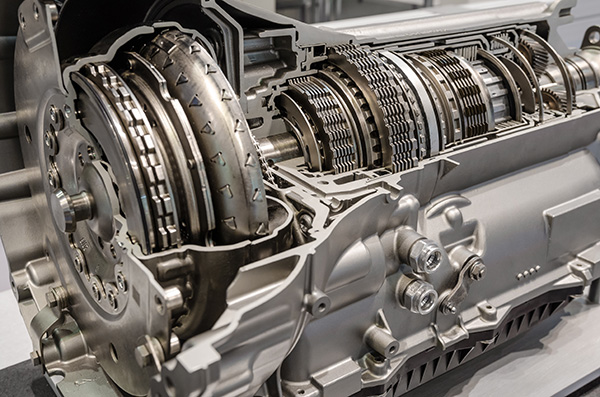
A transmission should move from one gear to the next without making the driver think about what is happening underneath the vehicle. When shifts become delayed, harsh, indecisive, or unusually frequent, the car can feel as though it cannot decide which gear it wants.
You may notice the engine RPM rising and falling, the transmission shifting back and forth on a hill, or a pause before the next gear engages. These symptoms can come from old fluid, faulty sensor data, control problems, internal wear, or even an engine issue that changes how the transmission responds.
Delayed Shifts Can Feel Like The Car Is Hesitating
A delayed shift happens when the transmission stays in one gear longer than expected or pauses before engaging the next one. The engine may rev higher, acceleration may feel flat, or the vehicle may suddenly shift after a noticeable delay.
Low fluid, worn fluid, pressure problems, sticking valves, or a weak solenoid can all contribute. The transmission computer may also delay a shift if it receives incorrect information about throttle position, engine load, or vehicle speed. Testing is needed because several different faults can create the same hesitation.
Gear Hunting Often Appears On Hills
Gear hunting describes a transmission that repeatedly shifts up and down instead of staying in one gear. It may happen while climbing a hill, driving into a strong headwind, towing, or trying to maintain speed with light throttle.
Sometimes the transmission is responding normally to changing load. If the behavior is new or excessive, however, it may involve old fluid, incorrect sensor readings, transmission programming, internal wear, or an engine that is not producing the expected power. A weak engine can force the transmission to downshift more frequently to maintain speed.
Harsh Shifts Can Come From Pressure Problems
Automatic transmissions use hydraulic pressure to apply internal clutches and control gear changes. If that pressure is too high, too low, or poorly timed, the shift may feel like a bump, jolt, or hard kick through the vehicle.
Pressure concerns can involve low fluid, a worn pump, valve body problems, damaged seals, or electronic solenoids. Engine and transmission mounts should also be checked because a worn mount can make a normal shift feel much harsher by allowing the drivetrain to move excessively.
Old Transmission Fluid Can Change Shift Quality
Transmission fluid lubricates moving parts, carries away heat, and helps create the hydraulic pressure needed for gear changes. As it ages, heat breaks down its additives and normal wear material begins collecting in the fluid.
Old fluid may contribute to delayed engagement, shuddering, inconsistent shifts, or a burnt smell. Fluid service is not a guaranteed repair for internal damage, but checking the level, condition, service history, and correct specification is an important part of diagnosing poor shift quality.
Low Fluid Can Make The Transmission Act Unpredictably
A transmission with low fluid may hesitate before moving, slip between gears, shift harshly, or make a whining sound. Low fluid can allow the pump to draw air, reducing the hydraulic pressure and lubrication the transmission depends on.
Transmission fluid does not normally disappear without a reason. If the level is low, there may be a leak around a pan gasket, axle seal, cooler line, output seal, connector sleeve, or another fitting. Adding fluid without finding the leak only delays the problem, and using the wrong fluid can create additional shift concerns.
Sensors Can Send Confusing Information
The transmission computer depends on information from speed sensors, throttle inputs, engine load data, temperature sensors, and other systems. If one signal becomes inaccurate or drops out briefly, the computer may command the wrong gear or change its decision while the vehicle is moving.
A faulty sensor does not always turn on a warning light immediately. Live data can reveal a speed signal that jumps, a temperature reading that does not make sense, or a throttle value that does not match what the driver is doing. Wiring, connectors, grounds, and battery voltage can also affect the quality of those signals.
The Engine Can Make The Transmission Seem Confused
Not every strange shift begins inside the transmission. A misfiring engine, dirty airflow sensor, weak fuel pump, restricted exhaust, or throttle problem can reduce engine power. The transmission may respond by holding lower gears or downshifting more often.
This is why engine and transmission diagnostics often overlap. If the engine is not producing the torque the computer expects, shift timing can feel unusual even when the transmission is capable of working correctly. Scan data from both systems helps show where the problem starts.
Adaptation And Software Can Affect Gear Changes
Many modern transmissions learn from driving habits, clutch wear, and operating conditions. These learned values help the computer adjust shift pressure and timing as the vehicle ages. If battery power is lost, parts are replaced, or software data becomes inaccurate, the transmission may need an adaptation procedure or relearn.
Software updates can also address certain shift complaints on some vehicles. That does not mean every harsh shift can be fixed through programming. Mechanical wear, fluid problems, and electrical faults still need to be ruled out before a reset or update is treated as the answer.
Warning Signs That Need Prompt Attention
Some shift changes are mild and intermittent, while others suggest the transmission should be checked before the vehicle is driven farther.
- The engine revs, but the car does not accelerate normally.
- The transmission takes several seconds to enter drive or reverse.
- A strong burnt smell appears after driving.
- Fluid is leaking beneath the vehicle.
- The transmission repeatedly drops out of gear.
- A warning light or transmission temperature message appears.
- The car slams into gear or becomes stuck in one gear.
Driving with severe slipping or low pressure can overheat the fluid and damage internal clutches. If the vehicle cannot engage a gear reliably, arranging a tow may prevent a more expensive failure.
Why A Road Test Is So Useful
A technician needs to know when the problem appears. A shift concern that happens only when cold points in a different direction than one that appears after 30 minutes of driving. Hills, light throttle, hard acceleration, and stop-and-go traffic can each expose different faults.
During an inspection, scan data, fluid condition, pressure behavior, sensor signals, engine performance, and mount condition can all be reviewed. Regular maintenance and early testing give the technician more useful information than waiting until the transmission will no longer move the vehicle.
Get Transmission Diagnostics In Olympia, WA, With Olympic Transmissions & Auto Care
If your car hesitates, hunts between gears, shifts harshly, slips, or feels confused during gear changes, Olympic Transmissions & Auto Care in Olympia, WA, can inspect the transmission fluid, controls, sensors, engine performance, and internal operation.
Contact us to schedule an appointment before inconsistent shifting develops into a larger transmission repair.