Transmission fluid does more than lubricate. It also carries heat away, helps clutches apply smoothly, and keeps tiny bits of wear material moving toward filters and magnets instead of circulating forever. Over time, fluid gets darker and picks up debris, and that is when shift quality and internal wear start to change.
The tricky part is that some transmissions have a traditional filter you can replace, while others handle filtration in a different way.
Why Automatic Transmissions Need Clean Fluid
Inside an automatic transmission, clutches and bands grip and release, gears mesh, and bearings spin at high speed. Even in a healthy unit, that creates fine material in the fluid, especially as miles add up. Clean fluid helps control friction and temperature, which is a big deal because heat is what breaks fluid down faster than most drivers realize.
If the fluid is old, the transmission may start shifting later, feeling lazy between gears, or running hotter during highway driving. You might also notice the fluid smells burnt when you check it. That smell is a clue that the fluid has been overheated, not just that it looks dirty.
Do All Transmissions Have A Fluid Filter?
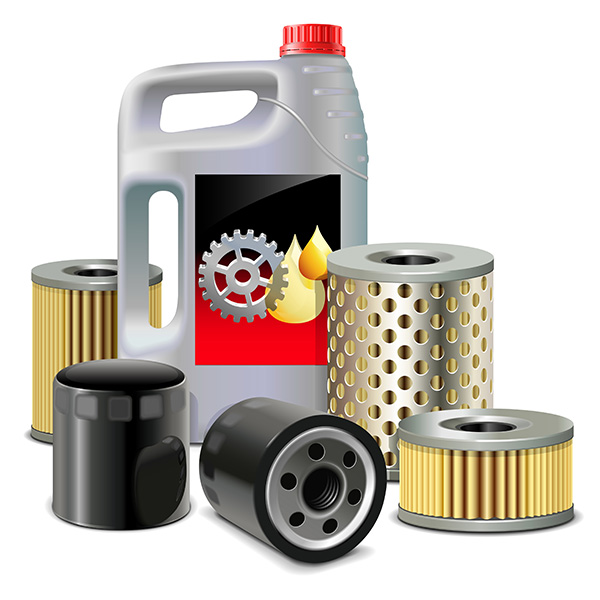
Most vehicles have some form of filtration, but the design varies by make and model. Many traditional automatics use a replaceable filter mounted inside the transmission pan. Some use a reusable screen, and some modern designs place the filter deeper inside the unit where it is not considered a routine service item.
A lot of drivers assume every transmission has a simple, swappable filter like an engine oil filter. In reality, some filters are more like strainers that protect the pump from larger particles, while the magnets and the pan catch the finer metallic fuzz. The goal is the same, but the service approach is not.
Where The Filter Lives And What It Does
On transmissions with a pan-mounted filter, the filter usually sits right at the pump pickup. That means it is the last line of defense before fluid is pulled into the pump and sent through the valve body and clutch circuits. When the filter loads up, it can restrict flow, which affects pressure. Pressure is what applies clutches, so low pressure can lead to slipping, delayed engagement, or harsh shifts.
In the shop, we usually look at the filter and the pan together. A filter tells you one part of the story, but the pan debris tells you what the transmission has been shedding. If the filter is dark and heavy, and the pan has a thick layer of material, it is a sign the fluid has been overdue for a long time.
Why Some Transmissions Use A Screen Instead
A screen is generally designed to catch larger particles without clogging as easily. You will see this in some imports, some CVT designs, and certain late-model transmissions where the manufacturer expects fluid service to be less frequent. The downside is that screens do not trap ultra-fine debris as well as a traditional filter media.
That is where the magnets and pan design come into play. A screen protects the pump, while magnets help grab the metal dust that otherwise floats around. If the transmission relies on a screen, the condition of the magnets becomes even more important during service.
What Magnet Drain Plugs Are Really For
Magnet drain plugs are there to capture ferrous material, meaning iron and steel particles. As gears and bearings wear normally, they shed tiny metallic dust, and the magnet pulls it out of circulation. This helps reduce the chance of that debris scoring internal surfaces or getting pushed through valves and solenoids.
The magnet is also a messenger. A light gray paste on the magnet is pretty normal on higher-mileage transmissions. Chunky pieces, sharp flakes, or a heavy buildup that looks like metal shavings is a different situation, and it deserves a closer look before you decide what service makes sense next.
When To Service Fluid, Filter, And Pan
Some cars have a service schedule, and some claim the fluid is lifetime. In the real world, heat, towing, stop-and-go driving, and long idling all shorten fluid life. If you want the transmission to last, fluid service as part of regular maintenance is usually money well spent, even if the vehicle does not feel terrible yet.
Here are a few signs that it is time to have the transmission checked instead of waiting:
- Delayed engagement when shifting into Drive or Reverse
- Shuddering or slipping during light acceleration
- Harsh upshifts that showed up recently
- Fluid that smells burnt or looks very dark
- A wet pan area or seepage that keeps returning
During an inspection, the pan and magnet condition can tell you whether a basic service is appropriate or if there are warning signs you should address first. The right plan depends on what the fluid looks like, how the transmission is behaving, and what the debris pattern suggests.
Get Transmission Fluid Service In Olympia, WA With Olympic Transmissions & Auto Care
If you’re dealing with rough shifts, slipping, or overdue fluid service, the next step is having the fluid, pan debris, and filter setup evaluated so it’s fixed correctly.
Schedule service or visit Olympic Transmissions & Auto Care in Olympia, WA when you want a clear answer and a repair that holds up.