Posted on 8/28/2026
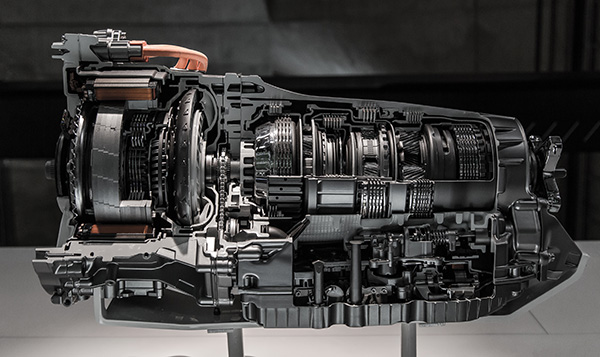
Transmission temperature is something most drivers rarely think about until a warning appears or a repair is needed. Yet every time an automatic transmission moves the vehicle away from a stop, changes gear ratios, or works under load, heat is being produced inside the unit. How manufacturers control that heat varies considerably from one vehicle to another. Looking through the grille and spotting a small heat exchanger doesn't necessarily tell the whole story. Some cooling components are hidden inside other assemblies, while certain vehicles use more than one method of controlling transmission temperature. How an Automatic Transmission Produces Heat Automatic transmissions contain clutches, bearings, gears, hydraulic circuits, and other components operating in transmission fluid. Conventional automatics also commonly use a torque converter, which transfers engine power through fluid and can produce considerable heat under certain operating conditions. Heat gen ... read more
Posted on 7/31/2026
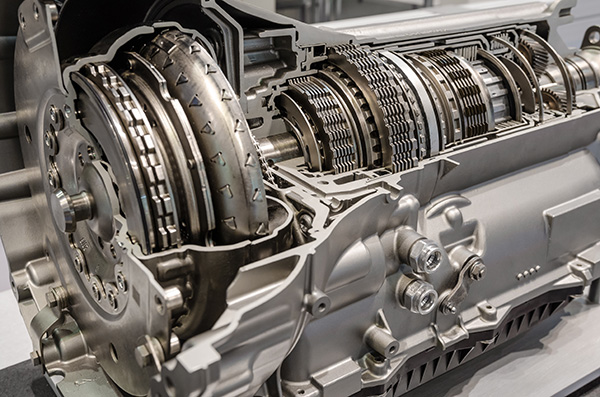
A transmission should move from one gear to the next without making the driver think about what is happening underneath the vehicle. When shifts become delayed, harsh, indecisive, or unusually frequent, the car can feel as though it cannot decide which gear it wants. You may notice the engine RPM rising and falling, the transmission shifting back and forth on a hill, or a pause before the next gear engages. These symptoms can come from old fluid, faulty sensor data, control problems, internal wear, or even an engine issue that changes how the transmission responds. Delayed Shifts Can Feel Like The Car Is Hesitating A delayed shift happens when the transmission stays in one gear longer than expected or pauses before engaging the next one. The engine may rev higher, acceleration may feel flat, or the vehicle may suddenly shift after a noticeable delay. Low fluid, worn fluid, pressure problems, sticking valves, or a weak solenoid can all contribute. The transmission c ... read more
Posted on 6/26/2026

When the final traces of chilly weather fade away and the school year wraps up, everyone breathes a collective sigh of relief. Summer driving sounds absolutely effortless compared to navigating ice, snow, and slushy winter roads. We picture clear skies, dry highways, and easy cruising with zero weather-related stress. At our repair shop, we see things from a slightly different angle. While winter certainly has its obvious dangers, summer brings its own unique set of harsh mechanical challenges that catch many drivers completely off guard. In fact, some of the most deeply ingrained beliefs about warm-weather driving are actually pure fiction. Believing these myths can leave you stranded on the shoulder of a highway or facing a massive repair bill. Let us break down the most common misconceptions about summer driving so you can stay safe and keep your vehicle happy all season long. The Myth That Winter is Harder on Cars Than Summer Ask almost anyone which season cause ... read more
Posted on 5/29/2026
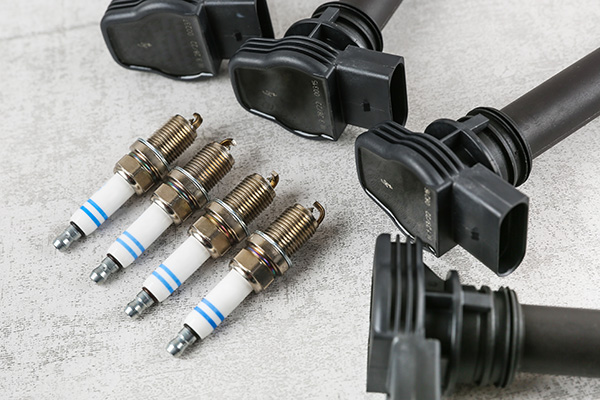
An engine misfire has a way of making the whole car feel irritated. The idle shakes, the exhaust note changes, the check engine light comes on, or the car stumbles when you press the gas. The hard part is that three different problems can feel almost the same from the driver’s seat. A bad fuel injector, worn spark plugs, and weak ignition coils can all cause one cylinder to stop firing properly. The repair depends on which part is actually failing, so guessing can get expensive fast. What An Engine Misfire Means A misfire means that one cylinder is not burning the air-fuel mixture correctly. That cylinder might skip completely, fire weakly, or only act up under load. The engine loses its rhythm, and that is what you feel as shaking, hesitation, or rough running. Some misfires are obvious at idle. Others show up only when merging, climbing a hill, or driving with the A/C on. A flashing check engine light is more urgent because unburned fuel can enter the exha ... read more
Posted on 4/30/2026
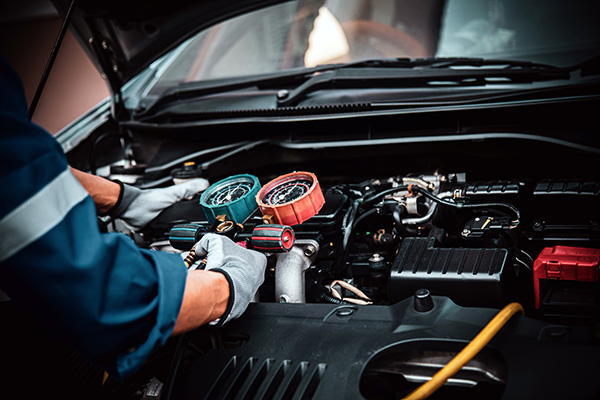
A/C systems rarely fail all at once. Most of the time, they gradually lose performance. The air is not as cold, the airflow feels weaker, or it takes longer to cool the cabin. It can be hard to tell whether that means simple maintenance or a deeper problem. Knowing the difference between routine service and actual repair helps you act at the right time and avoid bigger issues later. What Routine A/C Service Typically Covers Routine A/C service focuses on keeping the system running efficiently. It usually includes checking refrigerant levels, inspecting components, and making sure everything is operating as expected. A technician may also look for small leaks, test system pressure, and check airflow. These steps help maintain performance and catch early wear before it becomes a repair. When Weak Cooling Points to a Bigger Problem If your A/C is blowing air noticeably warmer than it should, it may require more than routine service. Low refrigerant ... read more
Posted on 3/27/2026
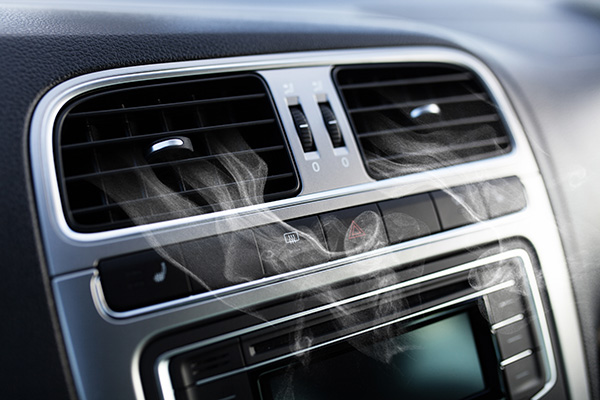
A burning odor coming through your car’s air vents usually means something under the hood is heating up, leaking, or rubbing where it should not. Drivers often notice it at a stoplight, after parking, or during a longer drive when the engine bay has had time to build heat. The smell may fade after a few minutes, which is exactly why people tend to put it off. That odor usually starts outside the cabin and is pulled in through the ventilation system. Why You Smell It Through The Vents Your HVAC system draws outside air in from the area near the base of the windshield. If something in the engine bay produces a strong odor, that smell can quickly move into the cabin through the fresh-air intake. In many cases, the issue is not inside the dashboard at all. It is under the hood, just close enough to the vent intake to make the whole cabin smell like the problem. This is why the timing matters. If the odor gets stronger when the car is idling, parked after a drive ... read more
Posted on 2/27/2026
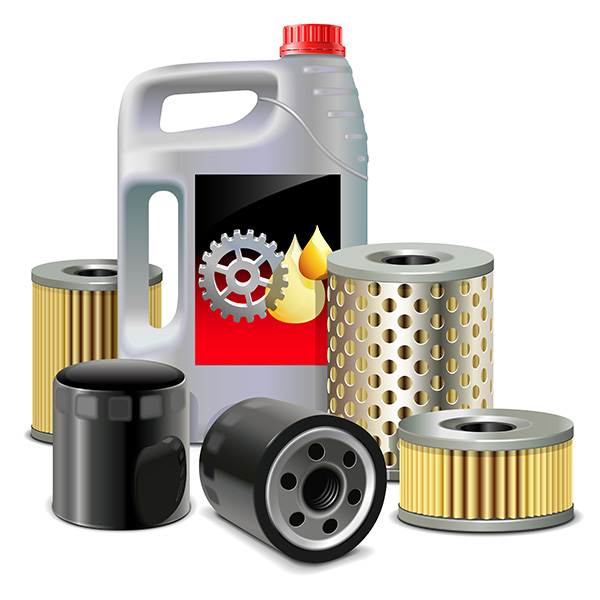
Transmission fluid does more than lubricate. It also carries heat away, helps clutches apply smoothly, and keeps tiny bits of wear material moving toward filters and magnets instead of circulating forever. Over time, fluid gets darker and picks up debris, and that is when shift quality and internal wear start to change. The tricky part is that some transmissions have a traditional filter you can replace, while others handle filtration in a different way. Why Automatic Transmissions Need Clean Fluid Inside an automatic transmission, clutches and bands grip and release, gears mesh, and bearings spin at high speed. Even in a healthy unit, that creates fine material in the fluid, especially as miles add up. Clean fluid helps control friction and temperature, which is a big deal because heat is what breaks fluid down faster than most drivers realize. If the fluid is old, the transmission may start shifting later, feeling lazy between gears, or running hotter during high ... read more
Posted on 1/30/2026
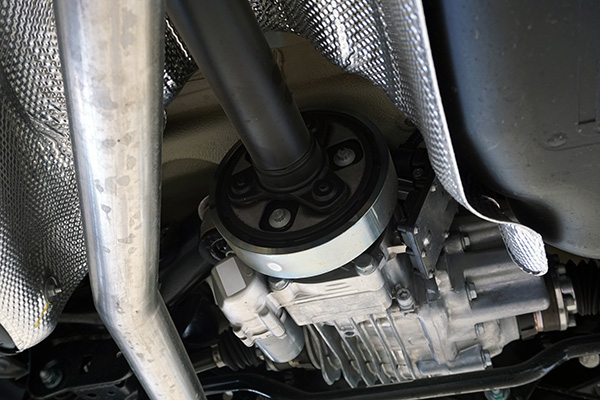
A damaged axle is one of those problems that can feel livable at first. The car still moves, it still gets up to speed, and you might even convince yourself it’s only a noise. Then the noise gets louder, the vibration gets more obvious, and suddenly you’re planning routes based on what roads feel least annoying. The tricky part is that axles do not usually fail in a clean, predictable way. Once a joint starts wearing, it can take other parts with it, and it can turn an inconvenience into a safety issue faster than most drivers expect. What A Damaged Axle Can Do To The Rest Of The Drivetrain An axle is not just a metal shaft. It’s a power-transfer component with joints at each end that have to flex as the wheels steer and the suspension moves. When those joints wear, they create play and friction where there should be controlled movement. That extra play can stress the transmission output area, mounts, wheel hubs, and even suspension components tha ... read more