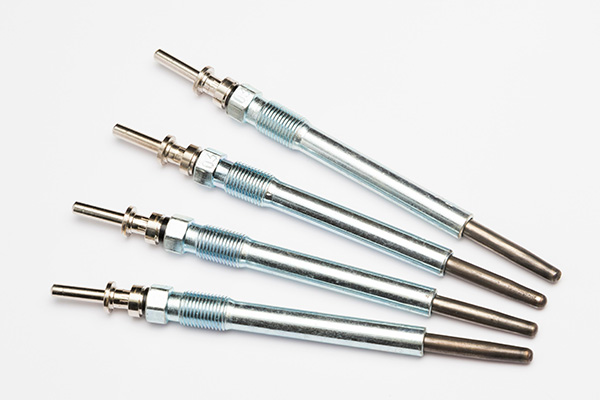
A diesel pickup that struggles on a cold morning has several possible starting problems. Glow plugs are part of that picture, but replacing every plug isn't always the answer. The equipment that powers and controls them needs checking too.
The plugs supply heat. The control module decides when and how that heat is delivered. A fault in either part changes the engine's cold-start behavior, and damaged wiring can sit between them.
At Olympic Transmissions & Auto Care, we test the system installed on your truck and connect the symptoms to its actual operation. That is how the repair moves beyond guessing at the part most often mentioned online.
What Diesel Glow Plugs Do During Starting
A conventional diesel ignites fuel using the heat produced by compressing air. During a cold start, cylinder surfaces absorb heat, making it harder for the engine to reach the conditions needed for stable combustion. Glow plugs add heat near the combustion area. Their operation helps the engine start and settle into smoother running. Many modern systems also continue heating after startup to support combustion and emissions control while the engine warms.
Not every diesel uses the same starting aid. Some engines use intake-air heaters, and others combine different heating arrangements. The model, engine, and year determine what to test.
How the Glow Plug Control Module Works
The control equipment manages the electricity sent to the glow plugs. Engine temperature, voltage, and other operating information affect its decisions. On some systems, it monitors individual circuits and records faults when operation falls outside the expected range.
The dashboard indicator gives the driver a starting instruction, but it doesn't display every stage of heating. Some plugs remain active after that light goes out.
That difference is why watching the light alone gives an incomplete picture. We check the module's power, commands, outputs, and connected circuits according to the engine's procedure. The system should produce the requested heating under the conditions that brought on the complaint.
Symptoms of Failed Glow Plugs
A failed plug leaves its cylinder with less starting heat on a cold engine, which contributes to delayed starting, initial roughness, or smoke during unstable combustion. The severity depends on temperature, engine condition, and how many circuits are affected. A truck that starts smoothly after warming up but struggles after sitting overnight gives us a clearer cold-start pattern. Describe whether the engine cranks normally and how long the roughness lasts once it starts.
Those observations lead to tests of the heating system alongside other starting requirements. Low cranking speed or poor fuel delivery needs a different repair even when the symptoms sound similar from the driver's seat.
Control Module and Wiring Faults
A module fault can affect several plugs at once. Missing power, a poor ground, a damaged connector, or a circuit failure also interrupts heating.
Testing separates the parts. If a plug's electrical behavior is outside the engine's limits, that supports checking or replacing the plug. If the supply never reaches a sound circuit, the control side needs investigation. A wiring fault requires repairing that connection, not ordering both parts and hoping one fixes it.
Use the manufacturer's voltage and test method. Applying battery power directly to a glow plug designed for a lower operating voltage risks destroying it. Modern systems differ too much for that old shortcut to be a universal test.
Cold-Start Details to Bring to the Shop
Record these observations before the appointment:
- Whether the problem appears only after overnight parking
- How quickly the engine cranks
- Any glow-system message or stored code
- How long rough running lasts after startup
- Recent battery, fuel-filter, or engine work
Leave stored fault information in place when possible. A code identifies a detected circuit or operating condition, while testing explains which part of that circuit failed.
Other Diesel Starting Problems to Check
Starting heat is only one requirement. The batteries and starter must turn the engine fast enough, fuel must reach the cylinders correctly, and the engine must build compression.
Cold weather exposes weaknesses in those areas. A tired battery delivers less starting reserve, and thicker oil increases resistance to turning. Air entering the fuel supply or a restricted filter creates another starting obstacle.
Around Olympia, explain whether the pickup starts differently after several short trips or following a long drive. That history helps us separate low battery charge from a heating fault that appears mainly with a cold engine.
A hot-start problem also changes the investigation. An engine that refuses to restart fully warm often fails for different reasons than one that struggles on its first cold start.
Glow Plug Replacement and Cold-Start Checks
Access varies by engine. Some plugs are straightforward to reach; others require surrounding parts to be removed. Plugs that have been in place for years can seize or become difficult to remove.
The repair needs the correct part and removal procedure. A replacement plug must match the engine's design, voltage, and control requirements. Fitting something that merely has the same thread doesn't meet those requirements.
We also inspect the connectors and circuits involved. Replacing a plug while leaving a damaged connection in place repeats the original fault. The estimate should explain any additional work and what the testing found before the repair proceeds.
Verify a cold-start complaint with a cold engine. Starting the truck once after it has warmed in the shop misses the condition that originally caused trouble.
The final checks should confirm heating operation, starting response, and any remaining fault information. Follow the engine's starting instructions afterward and avoid repeated long cranking attempts.
Don't use starting fluid unless the engine manufacturer expressly permits it and provides the procedure. Glow plugs and intake heaters create ignition hazards with those products. Arrange assistance when the pickup won't start instead of improvising around heating equipment.
Diesel Glow Plug Service at Olympic Transmissions & Auto Care
Olympic Transmissions & Auto Care in Olympia, WA, can inspect difficult diesel starts and test the fitted glow plugs, control equipment, and electrical circuits. Bring the truck's engine details and describe when the problem appears so we can plan the inspection around it.
Call Olympic Transmissions & Auto Care to arrange diesel starting-system service before another cold morning leaves your pickup stranded.